Monetize Your Book and Brand Masterclass
Uncommon Strategies to Help You Make More Money and Save Time

What if You Could Spend Less Time and Money for Better Results?
Get Back Control of Your Time and Get a Positive Return on Your Book With Less Stress
Come for Education, Conversation, Community, & Connection
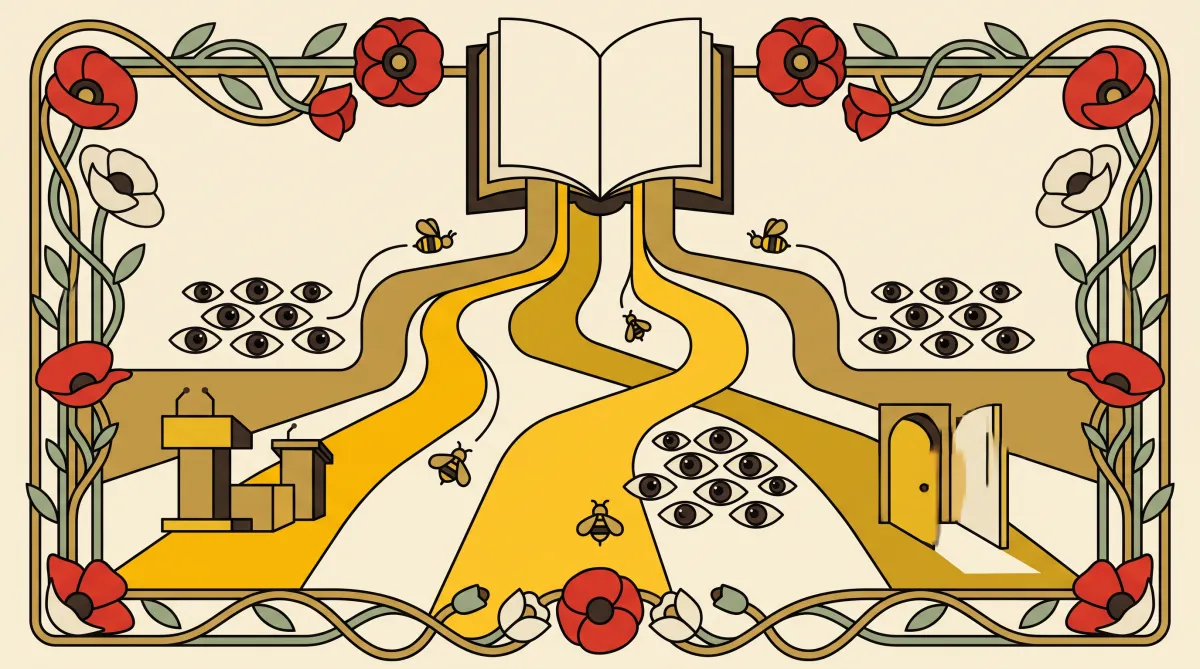
The Channels Gap: Why Your Book Stops Moving the Day You Get Busy
The Channels Gap: Why Your Book Stops Moving the Day You Get Busy
"Every time I post about my book, I get a little activity. Then I get busy with client work, I stop, and it all goes quiet again."
If that sounds familiar, you're looking at the third gap. Your book can reach readers, but only when you personally carry it there. The moment you stop pushing, the movement stops. That's the Channels Gap, and it's the difference between owning a marketing system and owning a second job.
A channel is a path that keeps working without you
Here's the distinction that changes everything. An activity is something you do. A channel is a path that keeps carrying your book to new readers after you've done it.
A single social post is an activity. A podcast interview that lives online for years, keeps getting found, and sends readers to your book long after you recorded it, that's a channel. So is an email sequence that greets every new subscriber, or a signature talk you give repeatedly, or a partnership that puts your book in front of someone else's audience on a regular basis.
Most stalled books are running on activities alone. That's why they go quiet the instant the author gets busy.
The trap of doing instead of building
The Channels Gap is sneaky because effort feels like progress. You post, you see a small bump, you conclude the marketing is working. But you've built nothing that outlasts the effort. Next week you start from zero again.
This is exhausting, and it's the reason so many capable authors give up on marketing without ever admitting it. They're not lazy and they're not bad at it. They've just been pouring energy into activities that reset the moment they look away, instead of into channels that compound.
Your book already contains the raw material
Here's the good news, and it's the part authors miss. You don't need to invent a mountain of new content to build channels. Your book already holds the material.
Your core ideas become talks and podcast topics that carry your book to new audiences on other people's stages.
Your chapters become an email sequence that does the work of introducing you while you sleep.
Your frameworks become the reason for a partnership, giving another expert something valuable to share with their audience.
You're not inventing content every Monday. You're taking what you already wrote and building paths that keep carrying it forward.
Where this lives in the BEES Book Marketing Method
Channels sit across two pillars, because a real channel both expands your reach and scales your opportunities.
🐝 E — Expand: Channels are how your book keeps reaching new readers without demanding your daily attention.
🐝 S — Scale: The strongest channels, speaking, partnerships, and programs, turn your book into bigger opportunities instead of one-time sales.
When your channels are working, your book stops being something you have to carry. It starts carrying you.
Your Next Step: Audit Your Channels
Look honestly at how your book reached its last handful of new readers. Did it happen because you pushed, or because a path you built kept working on its own? If every answer is "because I pushed," you've found your gap.
Turning your book's core ideas into channels that run without you is the heart of what I teach in my free masterclass, One Book. A Lifetime of Clients. And a Book Buzz Audit tells you which channel to build first, so you invest your limited energy where it will actually compound.
About Judy M. Baker
Judy M. Baker is the creator of the Buzzworthy Book Experience and the BEES Book Marketing Method. She's a publishing strategist who helps nonfiction authors build brands that buzz — turning their books into platforms, businesses, and legacies. Learn more at buzzworthybooks.com.
"A book isn't a finish line. It's a seed bank." — Judy M. Baker

Take the Next Step and Let's Monetize Your Book
REGISTER!
What You'll Get Inside the Masterclass
We dive into the problems you are facing now and begin planning your profitable path to:
Intentional marketing from the heart reducing friction between you and your intentions
Gain clarity, confidence, and a roadmap for moving toward realizing your dreams
Aligning precisely with the needs and values of your community
Messaging that inspires your audience into taking action
Getting you and your book seen and shared frequently
Creating more engaging and effective conversations
Getting on an evergreen path to cash
Q&A