Monetize Your Book and Brand Masterclass
Uncommon Strategies to Help You Make More Money and Save Time

What if You Could Spend Less Time and Money for Better Results?
Get Back Control of Your Time and Get a Positive Return on Your Book With Less Stress
Come for Education, Conversation, Community, & Connection
Why Creating a Human Experience Beats Another Social Post
Showing Up in Real Life
"I posted about my book every day for a month. I got a few likes. Then I spoke to a room of forty people for one hour, and three of them became clients."
I hear versions of that story constantly, and the math always surprises the author telling it. They spent weeks feeding the feed and got a trickle. They spent one evening in a room with real people and got a return they could actually name.
That gap isn't luck. It's the difference between broadcasting at people and creating an experience with them. And for nonfiction authors, that difference is where engagement is really won.
A post asks for attention. An experience creates a memory.
A social post is a one-way signal. Even a good one competes with a thousand other things on a screen, gets a half-second of attention, and disappears. You are one more voice asking a distracted person to care.
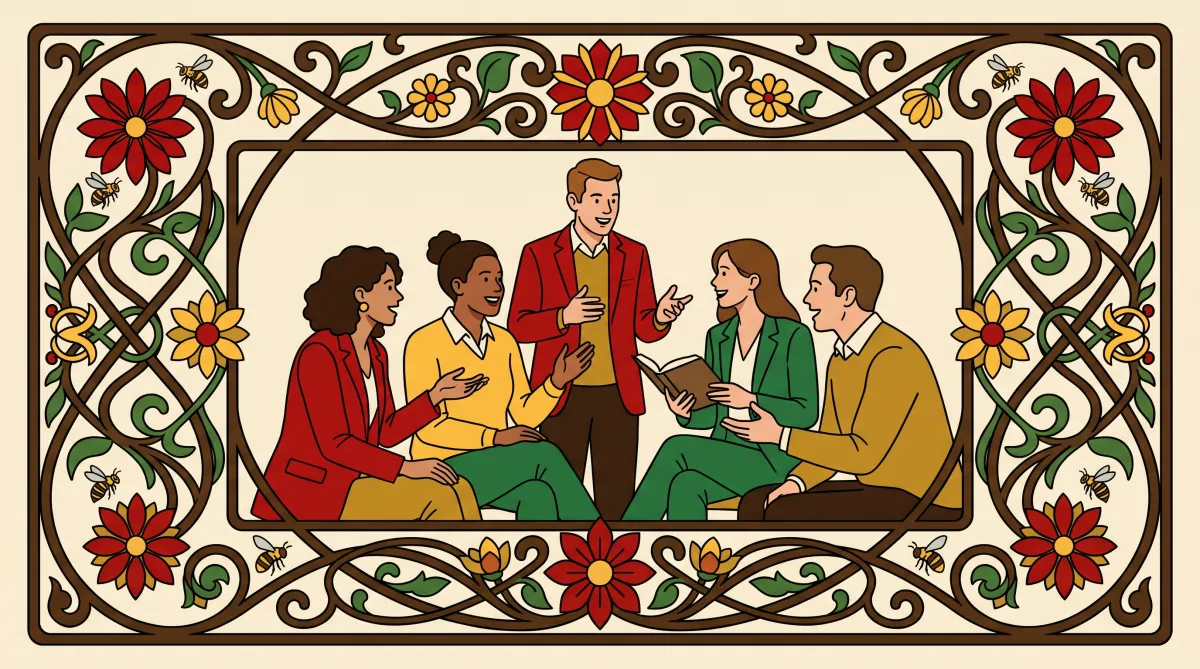
An experience is different in kind, not just degree. When someone sits in a room with you, asks a question, laughs at the right moment, and talks with the person next to them about your idea, something forms that a scroll can't produce: a memory with feeling attached. People forget posts. They remember how a room made them feel.
That felt memory is what turns a reader into an advocate. It's the moment your book stops being content and becomes a relationship.
Why in-person still wins in a digital world
The instinct is to think digital scales and in-person doesn't, so digital must be the smarter bet. But scale and depth are not the same currency, and engagement is bought with depth.
Three things happen in a room that rarely happen in a feed:
Full attention. No competing tabs, no algorithm deciding who sees you. For that hour, you have people's actual focus, which is the scarcest resource in marketing.
Real-time trust. People read your presence, your warmth, and your honesty in ways text can't carry. Trust that takes months to build online can form in a single afternoon.
Connection between attendees. The people in the room meet each other. Your book becomes the reason a community exists, not just a product one person bought.
None of this requires a stage or a big budget. A small workshop, a roundtable dinner, a library talk, or a focused virtual gathering with cameras on can do the same work. The point is presence and participation, not production value.
Where this lives in the BEES Book Marketing Method
Human experiences sit squarely in the middle of the method, and they reach into the pillar beyond it.
🐝 E — Engage: This is the home of the human experience. Engage is about turning readers into a community that trusts you and talks about you. A live event does that faster than months of posting, because it converts passive followers into people who have actually met you.
🐝 S — Scale: A single experience becomes the seed of bigger opportunities. One talk leads to a referral, a podcast invitation, a corporate booking, or a paid workshop. The room is where scale begins.
Social media still has a role. Think of it as the invitation and the echo, the way you fill the room beforehand and extend the moment afterward with photos, clips, and quotes. The experience is the main event. The posts are the promotion around it.
What this looks like for real authors
You don't have to invent this from scratch. Some of the most durable nonfiction author brands were built on experiences, not algorithms.
Keith Ferrazzi built Never Eat Alone around the very thing the book teaches: relationships formed in person. Gatherings and dinners aren't a footnote to his work, they are the model, and they keep his ideas circulating through the rooms he creates.
Priya Parker wrote The Art of Gathering and then lived it, designing and leading gatherings that demonstrate her method firsthand. Her events are proof of concept and marketing at once.
Donald Miller turned Building a StoryBrand into live workshops where people apply the framework in the room. Those workshops grew the book into a company, because attendees left having done the work, not just read about it.
Brené Brown pairs her research with live talks and in-person experiences that let audiences feel the ideas, which is a large part of why her readers become such committed advocates.
The common thread isn't fame. It's that each author gave people a room to step into, and the room did what no post could.
Start smaller than you think
If a live event sounds like a mountain, shrink it. Host a ninety-minute virtual workshop for twenty readers on the one idea your book is best known for. Offer a roundtable for eight people over coffee. Say yes to the local talk that only draws thirty. Engagement compounds from small rooms, and a small room full of the right people beats a large feed full of strangers every time.
Your Next Step: Design One Experience
Look at your book and name the single idea people most want to talk through with you. That idea is your first event. Build one small, real experience around it, and let your social channels invite people in and carry the moment outward afterward.
If you want help turning your book into experiences that actually bring you clients and opportunities, that's what I teach and diagnose in my work with authors.
About Judy M. Baker
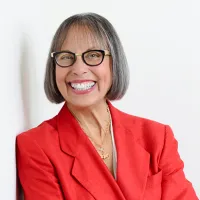
Judy M. Baker is the creator of the Buzzworthy Book Experience and the BEES Book Marketing Method. She's a publishing strategist who helps nonfiction authors build brands that buzz — turning their books into platforms, businesses, and legacies. Learn more at buzzworthybooks.com.
"A book isn't a finish line. It's a seed bank." — Judy M. Baker
Take the Next Step and Let's Monetize Your Book
REGISTER!
What You'll Get Inside the Masterclass
We dive into the problems you are facing now and begin planning your profitable path to:
Intentional marketing from the heart reducing friction between you and your intentions
Gain clarity, confidence, and a roadmap for moving toward realizing your dreams
Aligning precisely with the needs and values of your community
Messaging that inspires your audience into taking action
Getting you and your book seen and shared frequently
Creating more engaging and effective conversations
Getting on an evergreen path to cash
Q&A